Shift Work Nutrition: How to Stop Grazing and Plan Emergency Backup Meals
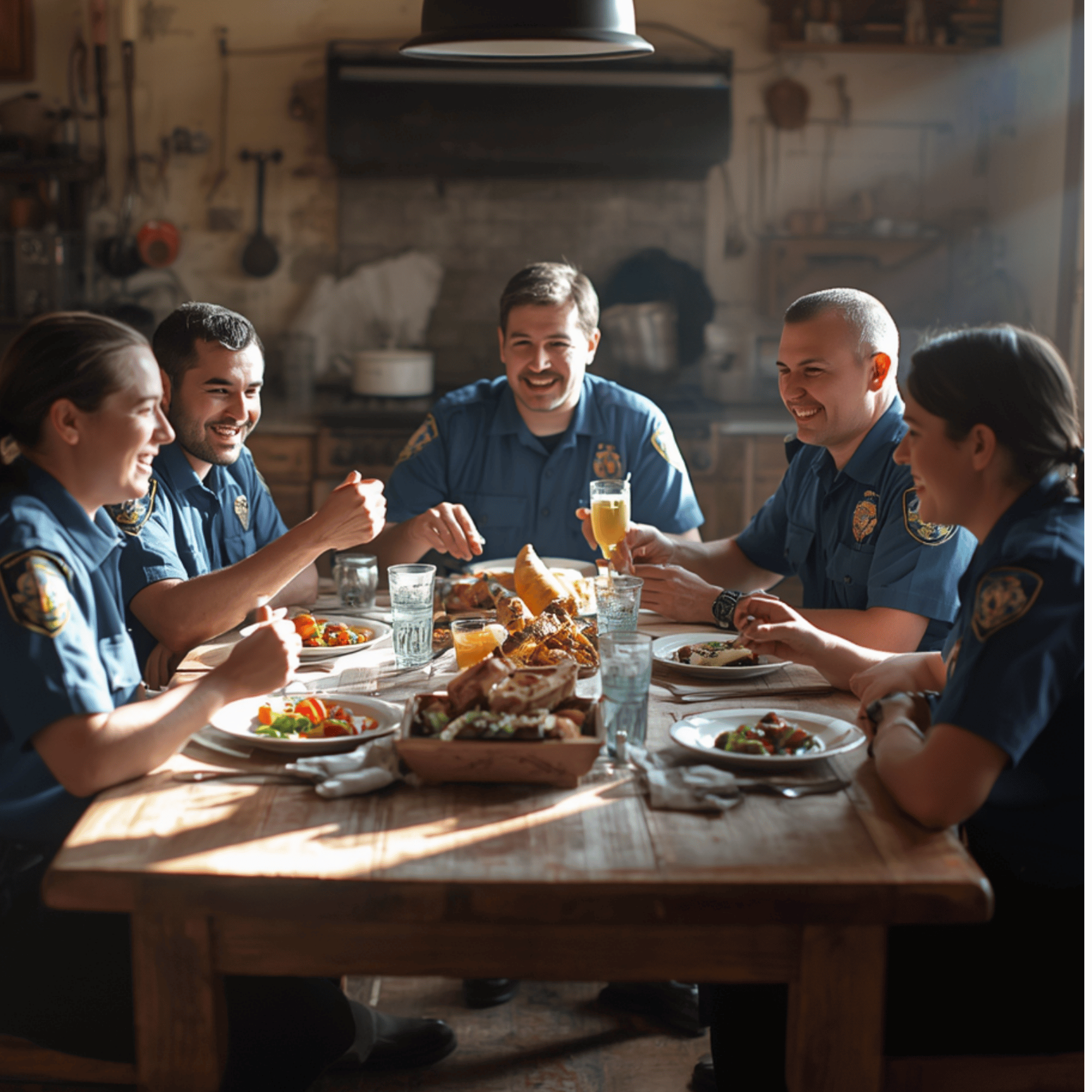
Shift work nutrition often falls apart when emergency calls interrupt meal times, leaving firefighters and first responders to rely on mindless grazing. By understanding how unpredictable schedules disrupt your body's dashboard, you can build realistic backup plans that prevent impulsive snacking without requiring a restrictive diet.
Key Takeaways
- Unpredictable shift schedules often trigger mindless grazing and reliance on fast station snacks.
- Going 6 to 7 hours without a meal makes thoughtful food choices nearly impossible due to biological hunger spikes.
- Developing a 'Plan B' prevents impulsive vending machine runs when calls interrupt meal prep.
- Curiosity beats judgment: tracking eating patterns for three days offers insight rather than guilt.
The Reality of Shift Work Grazing
Let's look at a pretty typical day in the fire service. You wake up early, maybe you had a decent night's sleep, maybe you didn't. You get to the station, grab some coffee, and figure you'll eat breakfast in a little while. Then the tones drop, you handle the call, you get back to the station, you clean up, and somebody needs help with something else. Before you know it, half the morning's gone and you haven't even eaten much.
You're hungry, tired, cranky, and already thinking about lunch. Then another call comes in, and another. Finally, you sit down to eat. You're starving, and the first thing you can find looks pretty good. So you eat quickly, you go back for seconds, maybe you grab something sweet afterward because you still feel like you need a little something. This cycle frequently leads straight to grazing on whatever happens to be sitting on the kitchen counter—whether it's leftover pizza, donuts, or vending machine candy bars.
However, the problem usually isn't a lack of personal discipline. When your routine makes it impossible to eat for six or seven hours straight, your biology takes over. Your brain demands fast energy, and blaming yourself for giving in ignores the root cause of the behavior.
Reading Your Dashboard Beyond the Clock
Think about the apparatus you operate. You pay attention to your gauges, monitor the fuel, look at warning lights, and watch the temperature. You don't ignore the dashboard and hope everything works out. Yet, many first responders completely ignore their body's internal dashboard until the warning lights are flashing red.
Your body signals energy levels, concentration, satisfaction, thirst, and hunger. When shift work throws those signals out of whack, it becomes easy to mistake fatigue, stress, or boredom for physical hunger. A late-night pantry raid isn't always about needing calories; sometimes it is simply a nervous system looking for comfort or grounding after a heavy call.
The Three Questions to Ask Before You Eat
Before you grab a snack out of habit, take ten seconds to run a quick diagnostic check:
- What am I feeling physically? Have I gone hours without a real meal? Am I low on energy, or just dehydrated?
- What am I feeling emotionally? Am I wired from a tough call? Am I bored, frustrated, or looking for comfort?
- What would actually help me feel nourished? Do I need protein and complex carbs, or do I need to step outside, take a breath, and decompress for five minutes?
Building Your Station Plan B
You cannot out-discipline a broken routine, but you can build a contingency plan. Firefighters understand operational contingency planning inside and out. Your nutrition deserves that same level of tactical preparation.
Pick one predictable friction point in your weekly routine. Maybe you always skip breakfast because morning checks run long. Maybe you get blindsided by extreme hunger at 14:00 after a series of EMS runs. Maybe you crash late at night and raid the station pantry because there's nothing else ready.
Once you identify your primary hurdle, build a specific Plan B. Keep stable, satisfying options in your locker or bag—such as beef sticks, nuts, protein shakes, or easy-to-assemble wraps. Coordinate with your crew to ensure there are practical, accessible options when the schedule goes sideways. You don't need a complete kitchen overhaul by Monday morning; you just need one reliable backup.
Conclusion
Improving your shift work nutrition doesn't mean transforming every meal into a math problem or avoiding firehouse kitchen traditions altogether. It means trading autopilot grazing for intentional awareness, allowing you to sustain your energy through demanding shifts and long careers. For a deeper dive into listening to your body's signals without guilt or restrictive rules, Listen to the full episode and start building sustainable habits both on and off duty.
Frequently Asked Questions
Why do shift workers struggle more with grazing than day workers?
Shift workers experience disrupted circadian rhythms, fluctuating sleep schedules, and high-stress calls that alter hunger hormones, often making the brain crave quick, high-energy comfort foods during downtime.
What is an emergency backup meal for firefighters?
A Plan B meal is a shelf-stable or easily portable option kept on hand at the station—such as high-protein snacks, canned tuna, or pre-made wraps—designed to prevent extreme hunger when calls interrupt scheduled cooking.
How can I stop grazing at the firehouse kitchen table?
Start with a 10-second pause before eating to determine if you are physically hungry, stressed, or just eating because food is sitting in front of you.