Volunteer Firefighter Mental Health: Overcoming 9/11 Trauma and Stigma
Volunteer firefighter mental health has undergone a massive cultural shift over the past 25 years, moving away from a culture of absolute silence toward proactive peer support, trauma education, and confidential counseling. Examining the long-term emotional impact of September 11 reveals how critical mental wellness infrastructure is for both career and volunteer departments alike.
Key Takeaways
- Volunteer firefighters face unique dual pressures balancing civilian careers with high-stress emergency response.
- Post-traumatic stress and survivor's guilt following historic events like 9/11 require dedicated peer support systems.
- The traditional firehouse culture of 'toughness' historically discouraged talking about emotional vulnerabilities.
- Modern fire services are increasingly adopting proactive mental health physicals and confidential counseling.
The Evolution of Mental Health in the Fire Service
For generations, the unwritten rule of the fire service was simple: you handle the chaos, you mask the pain, and you report back for your next shift. Mental health struggles, chronic nightmares, and post-traumatic stress were rarely discussed openly. Historically, these psychological impacts were viewed primarily as conditions affecting combat soldiers, leaving firefighters to quietly shoulder the psychological toll of witnessing humanity's worst days.
When catastrophic events occur, the human brain attempts to process sensory data that defies normal comprehension. The constant exposure to severe trauma—ranging from horrific motor vehicle accidents to massive structural collapses—accumulates over time. Without an outlet, this cumulative stress manifests physically and emotionally. The realization that frontline emergency workers needed more than just physical safety gear became starkly apparent in the wake of September 11, transforming how departments approach behavioral health.
The Heavy Burden of Survivor's Guilt
Surviving a monumental disaster leaves an indelible mark on emergency personnel. For those who were on the scene during the World Trade Center attacks, escaping physical death was only the beginning of a much longer psychological battle. Survivor's guilt introduces complex, haunting questions: Why did I make it out when others didn't? Why am I still here decades later while friends continue to battle illnesses? These questions can create an isolating mental landscape.
Processing survivor's guilt requires dismantling the notion that carrying emotional pain is a sign of weakness. Many veterans of that day discovered that sharing their experiences, though painful, served as a vital release valve. When senior firefighters and leaders open up about their own vulnerabilities, it grants permission for younger generations to seek help before a crisis peaks.
Volunteer Firefighters: The Unseen Stressors
While career departments face high call volumes, volunteer firefighters carry a uniquely complicated set of stressors. A volunteer might spend their day working a demanding civilian job—perhaps as a carpenter, office worker, or teacher—only to be jolted into a high-fatality emergency scene at a moment's notice.
Once the incident concludes, volunteers often return immediately to their normal civilian routines without the decompression time built into a traditional 24-hour station shift. This rapid transition between civilian life and life-or-death emergency response can intensify feelings of isolation. Recognizing this, progressive volunteer departments have begun emphasizing mental fitness, ensuring that access to counseling and peer support extends well beyond full-time municipal stations.
Breaking the Stigma Around Seeking Help
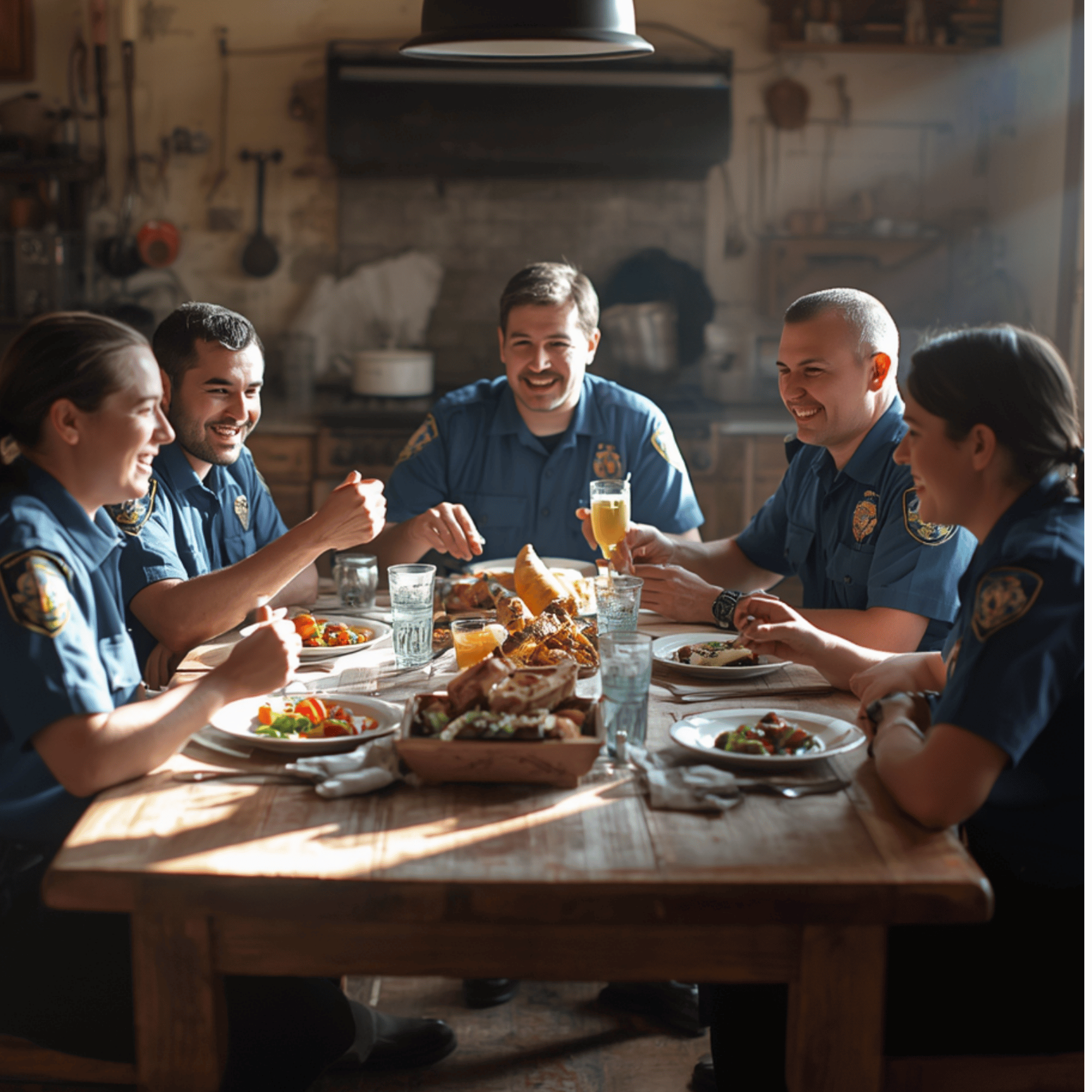
Breaking the mental health stigma starts at the kitchen table. In the fire service, trust is the foundational currency. Firefighters trust their crews with their lives inside a burning building; that same level of trust must extend to mental health. Peer support programs have proven exceptionally effective because they rely on individuals who speak the language of the job—people who understand the sights, sounds, and moral injuries unique to firefighting.
By normalizing therapy, debriefing after critical incidents, and treating mental conditioning with the same seriousness as physical training, modern departments are building stronger, more resilient crews.
Conclusion
The lessons learned from decades of frontline service extend far beyond tactics, construction updates, and gear upgrades. True firefighter wellness encompasses the mind, the spirit, and the brotherhood. To continue learning from the past, we must protect the mental health of every firefighter who answers the call.
For a deeper, firsthand account of these lessons, the evolution of the fire service, and powerful reflections on resilience, Listen to the full episode.
Frequently Asked Questions
Why do volunteer firefighters experience unique mental health challenges?
Volunteer firefighters juggle civilian jobs, family life, and high-intensity trauma responses without the constant, built-in station support network of full-time departments, often leading to isolated processing of critical incident stress.
How has peer counseling evolved in the fire service since 9/11?
Following September 11th, departments recognized that traditional mental health resources were insufficient. Today, many agencies utilize trained peer support teams who understand the unique culture and trauma of the fire service.
What is survivor's guilt in the context of the fire service?
Survivor's guilt is a psychological condition where a firefighter questions why they survived a catastrophic event—such as the collapse of the World Trade Center towers—while colleagues and friends did not.
Are volunteer departments implementing mental health screenings?
Yes, many progressive volunteer departments now integrate mental fitness checks and behavioral health resources alongside traditional physical medical evaluations to catch PTSD early.