Young vs Experienced Firefighters: How Health Priorities Shift Across a Career
Firefighter health priorities shift dramatically over the course of a career. While younger recruits often focus primarily on immediate, high-profile threats like cancer and cardiac events, veteran firefighters prioritize sleep hygiene, mental fitness, functional physical conditioning, and long-term career longevity.
Key Takeaways
- Younger firefighters frequently focus on high-profile risks like cancer and cardiac disease due to academy training.
- Experienced veterans shift their primary health concerns toward sleep deprivation, mental fitness, and functional strength.
- Generational mentorship within the fire service helps bridge the gap, transferring holistic wellness knowledge to new recruits earlier.
- Functional fitness—such as climbing, carrying hose, and dragging gear—supersedes generic gym metrics like bench-press maximums.
- Preventative health measures, early screenings, and honest self-assessment are essential for sustaining a long career on the trucks.
The Generational Divide in Firefighter Wellness
When you walk into a fire station or a industry trade expo and talk about health and wellness, you notice an interesting psychological split. The conversation around firefighter health is evolving rapidly, but the focus areas depend heavily on how many years a person has spent on the job. Understanding this generational shift is critical for department leaders, safety officers, and anyone looking to implement effective wellness programs.
Historically, the fire service treated health as a reactive matter. Today, however, departments are learning that wellness education must be continuous, proactive, and tailored to the unique mindset of different age groups. To explore these evolving health trends in depth, you can Listen to the full episode featuring expert insights on firefighter health and wellness.
What Rookie and Young Firefighters Focus On
Newer and younger firefighters typically enter the service with a stark awareness of the industry's most terrifying hazards: occupational cancer and sudden cardiac events. Because modern academy training heavily emphasizes the toxic environment of the fireground and the historical statistics surrounding line-of-duty deaths, rookies fixate on the Big Two.
This heightened initial awareness is a positive development. It means the messaging about carcinogens, toxic smoke, and cardiovascular strain is breaking through. However, younger firefighters often view these threats through a lens of invincibility or abstract future risk. They know cancer is out there, but day-to-day lifestyle factors like sleep deprivation and chronic stress sometimes take a back seat until burnout hits hard.
How Veterans View Long-Term Health
In stark contrast, firefighters with decades on the job tend to look at wellness through a much broader, more practical lens. While they certainly respect the dangers of cancer and heart disease, older firefighters frequently steer conversations toward the underlying, chronic factors that degrade quality of life: cumulative sleep deficits, mental health struggles, and physical breakdown.
Veterans are often the first to admit when their bodies are failing them. They talk openly about needing to trim down, clean up their diets, and maintain the functional strength required to stay on the trucks. They realize that longevity in the fire service isn't just about avoiding a sudden medical crisis; it's about preserving the physical capability to do the job safely day in and day out.
Redefining Functional Fitness for Career Longevity
Physical fitness is a cornerstone of firefighter wellness, but the definition of being "in shape" has undergone a necessary transformation. Older and wiser firefighters frequently challenge the traditional gym metrics—such as how much weight someone can bench press or how fast they can run a mile—in favor of true functional strength.
On the fireground, success is measured by your ability to climb stairs in heavy gear, hoist a 50-pound bundle of hose, drag a downed victim, and swing an axe under extreme thermal stress. Training like you work means prioritizing functional, job-specific conditioning. Furthermore, older firefighters emphasize the importance of training while wearing proper personal protective equipment (PPE), recognizing that heat acclimation and hydration management are just as vital as raw muscle strength.
Bridging the Gap Through Culture Change
The shifting perspectives between young and experienced firefighters highlight a vital truth: health awareness is a continuous spectrum. When veteran firefighters share their hard-earned wisdom about mental fitness, sleep protection, and physical conditioning with probationary members, the entire department benefits.
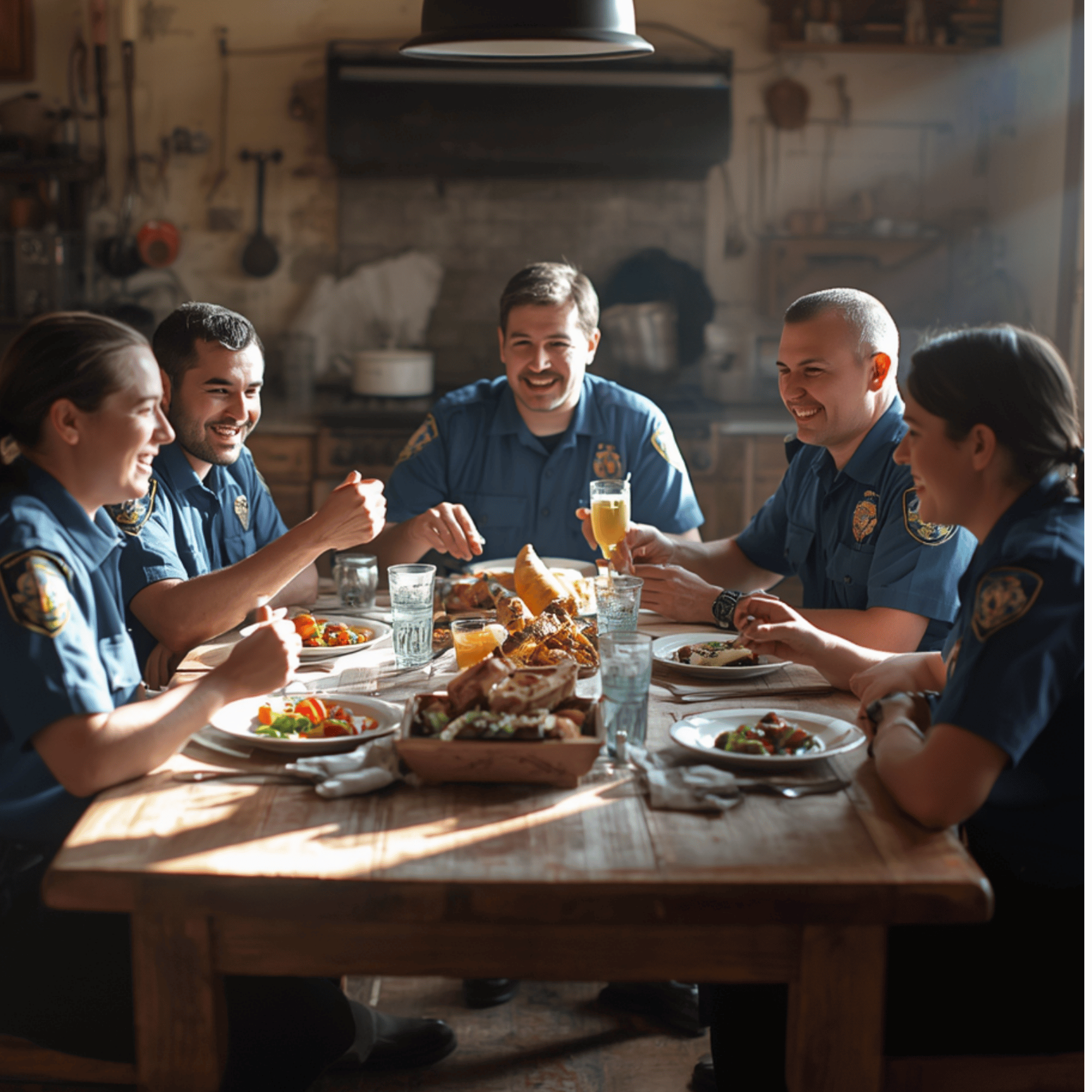
Lasting safety improvements don't happen overnight. They require departments to foster an environment of open communication where younger members learn the importance of holistic wellness early, and older members continue to adapt modern prevention strategies. By acknowledging both the acute dangers of the job and the chronic underlying factors, the fire service can build stronger crews from the kitchen table outward.
Conclusion and Next Steps
Firefighter wellness is not a single issue—it is a collection of interconnected risks that require proactive management across every stage of a career. Whether you are a rookie just out of the academy or a seasoned veteran looking to protect your joints and sleep schedule, taking control of your health starts with one intentional action this week.
Ready to dive deeper into the data and conversations shaping modern fire service wellness? Listen to the full episode to uncover more actionable strategies, expert insights, and wellness tools designed to help you thrive both on and off duty.
Frequently Asked Questions
Why do younger firefighters focus more on cancer and cardiac risks?
Younger firefighters are heavily exposed to statistics and safety warnings regarding occupational cancer and cardiac disease during their initial academy training and modern educational campaigns, making these high-profile threats their primary initial concern.
What health issues do veteran firefighters tend to worry about most?
Experienced firefighters frequently focus on underlying, chronic factors such as sleep deprivation, mental fitness, cumulative stress, and the physical breakdown that threatens their ability to stay active on the trucks.
How has the definition of firefighter fitness changed over time?
The fire service is moving away from generic gym metrics like max bench presses and mile times, focusing instead on functional strength—such as climbing, hose-pulling, and gear-carrying capacity—combined with heat acclimation and job-specific training.
How does mentorship bridge the health awareness gap in the fire service?
When veteran firefighters openly discuss mental health, sleep, and functional conditioning with new recruits, it equips younger personnel with a holistic understanding of wellness before chronic health issues have a chance to develop.