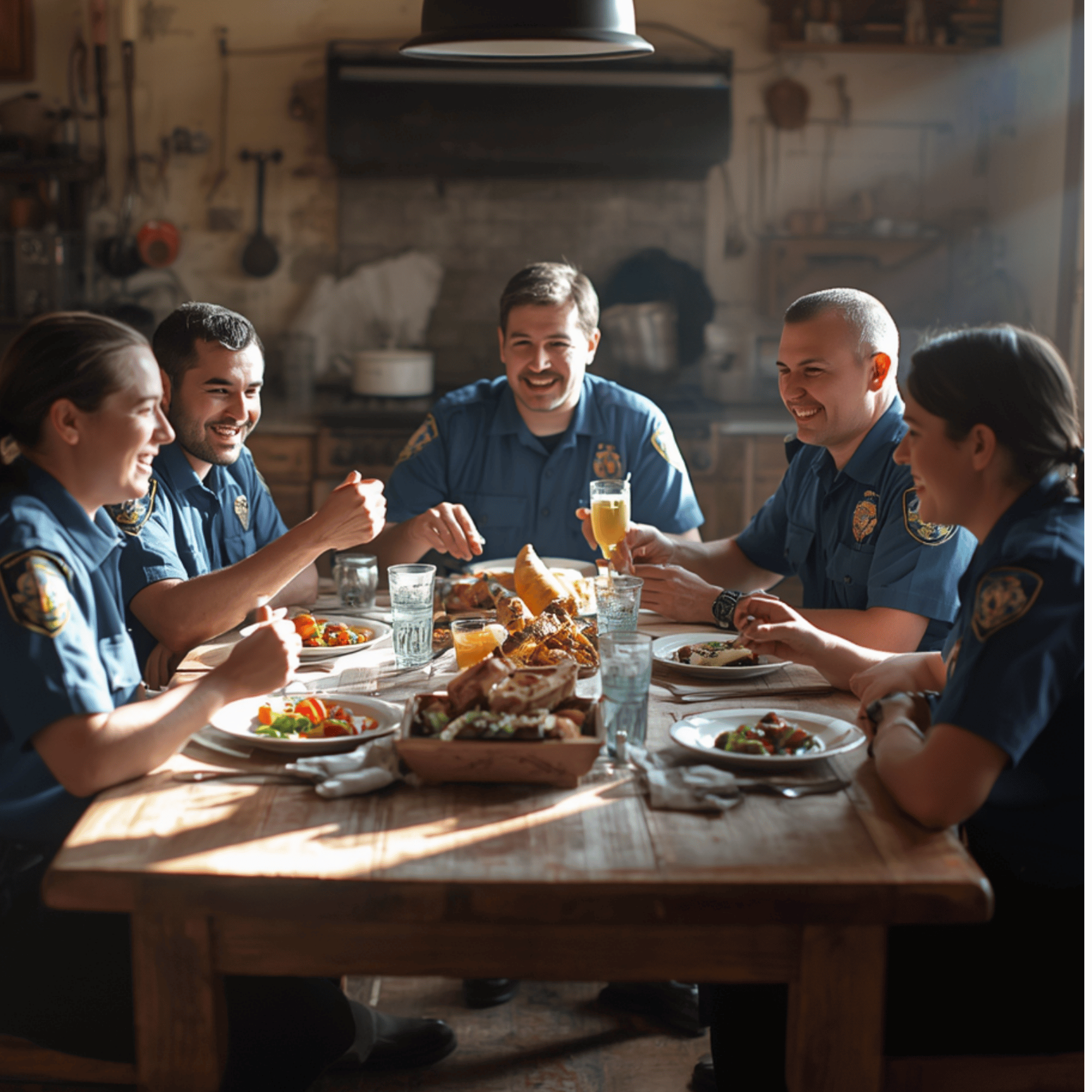
In this episode of the All Clear Firefighter Wellness Podcast, Travis talks with Ashley Dillard, a retired firefighter-paramedic who now works in mental health with first responders, military personnel, and their spouses. Ashley brings both fire-service experience and clinical experience to a conversation about changing the way firefighters think about therapy, mental health, peer support, and personal wellness.
Mental health as maintenance
Ashley challenges the old image of therapy as simply sitting on a couch talking about your deepest problems. She describes therapy as a maintenance program that can support growth, reflection, and preparation—not just crisis recovery.
Build the tools before the storm
The fire service trains before the fire. Ashley argues that mental fitness should work the same way. Waiting until life is in chaos can mean trying to learn coping tools when you need them most.
Recognizing the silent struggle
The conversation looks at signs that something may be happening beneath the surface, including changes in job performance, sleep, eating patterns, relationships, irritability, isolation, overworking, and risky behaviors. For leaders, the message is to look beyond the behavior and ask what may be driving it.
Peer support has limits
Peer support is valuable, but there are incidents that can overwhelm a department's internal resources. Ashley explains why departments need to recognize when an event is bigger than their team and bring in additional professional or outside support.
Find someone who understands the culture
Not every therapist is a good fit for a firefighter or first responder. Ashley emphasizes cultural competence, personal connection, trust, and being willing to keep looking until you find someone who understands the realities of the job.
Leadership sets the tone
A healthier fire-service culture starts at the top. Ashley argues that departments should normalize mental health support, strengthen peer support, and make it clear that asking for help is not a reason for punishment or shame.
Key Takeaways
Mental fitness should be treated as part of a firefighter's regular wellness routine.
Don't wait until you're in crisis to learn the tools that can help you through difficult seasons.
Behavior and job performance problems may be signs of deeper stressors rather than simply a lack of effort.
Peer support should know when an incident exceeds its internal capacity.
Finding a culturally competent therapist may require research and trying more than one provider.
Healthy leaders help create healthier firefighters and healthier departments.
Support the show (https://www.buzzsprout.com/2098940/support)
Thanks for listening to All Clear!
You can contact us with questions, suggestions or just to say hi at our website
allclearpodcast.com
Also pick up a bag of our signature All Clear Coffee. A unique cup that will quickly become your new morning hero in a cup!
Please like and subscribe on you platform of choice! It dosent cost you anything and it helps us more than you will ever know!