Moving Beyond the Box: Why Fire Department Compliance Mandates Fail Wellness
Fire departments often confuse administrative compliance with actual health by tracking seminar attendance and physical assessments while missing genuine behavioral change. This guide explores why mandatory wellness requirements fail to build trust, how checking boxes alienates crews, and what officers can do to foster organic, sustained health ownership on and off duty.
Key Takeaways
- Compliance is an external mandate that forces participation, whereas true culture is an internal value system guiding actions when no one is watching.
- Relying solely on metrics like fitness test completion rates and mandatory seminar attendance creates a false sense of security regarding crew wellness.
- Firefighters quickly notice the disconnect when leaders announce safety priorities but fail to model preventive care or mental health support in their own lives.
- Transitioning from punitive compliance to supportive culture requires everyday kitchen-table conversations, barrier removal, and genuine crew ownership.
The Illusion of Compliance in the Fire Service
For decades, the fire service has relied on a command-and-control structure to manage risk. If a hazard exists, you write a policy. If a standard slips, you mandate training. This top-down operational framework works exceptionally well when managing apparatus placement, hazardous materials mitigation, or structural firefighting tactics. Lives depend on compliance during an emergency.
However, when this same compliance model is applied to human wellness, it breaks down. Departments can easily mandate an annual physical, require completion of a physical agility test, or publish a policy outlining the importance of mental health. Leaders then look at the spreadsheet, see a 100% completion rate, and assume the department is healthy. In reality, they have only measured participation, not well-being.
Compliance gets a form completed. It gets a signature on a dotted line and checks a box for liability mitigation. But it does nothing to ensure that a firefighter actually values their long-term health, gets adequate sleep, seeks help for PTSD, or avoids carcinogenic exposure on the fireground. When wellness is treated as just another administrative hurdle, personnel learn to play the game—doing just enough to satisfy the chief without internalizing the actual behavior.
Participation Versus Ownership
The core friction between compliance and culture lies in the difference between participation and ownership. Participation is passive. It means showing up because you were ordered to, sitting through a presentation while checking your phone, or pushing through a mandatory fitness assessment with resentment.
Ownership, on the other hand, is active and self-sustaining. When a firefighter takes ownership of their wellness, they make healthy nutritional choices at the station not because the chief issued a dietary memo, but because they want to perform better on the fireground and live a long, vibrant life after retirement. They check in on a struggling crewmate because they genuinely care, not because they completed a peer-support check-the-box training module.
How Leadership Sabotages Wellness Culture
Culture is not built in an office or proclaimed through an email memo from the administration. Culture is forged through daily observation. Firefighters are remarkably astute at detecting hypocrisy. They watch what leaders do far more closely than they listen to what leaders say.
When an officer stands at morning roll call and preaches the importance of mental health and stress management, but immediately ridicules the first person who asks to speak with a peer support counselor, the cultural message is instantly crystal clear. The official policy says mental health matters; the organizational behavior says seeking help is a career-ending weakness.
Similarly, when chiefs mandate physical fitness assessments while modeling a sedentary lifestyle, avoiding their own preventive medical evaluations, and surviving on convenience store food, the workforce disengages. They view wellness initiatives as hypocritical compliance programs designed to protect the city from liability rather than protect the firefighter from occupational disease.
The Cost of Mistrust
When wellness programs are tied strictly to compliance, they often breed fear and suspicion. Firefighters worry that if they honestly report a mental health struggle, chronic joint pain, or an elevated cardiovascular risk factor, it will be used against them during promotion reviews or lead to light-duty assignments they didn't ask for. Instead of encouraging proactive healthcare, a compliance-heavy environment forces problems underground. Personnel mask their struggles to protect their status on the shift, leading to preventable crises down the road.
Practical Steps to Build Real Culture
Transforming a compliance-driven department into a culture-driven organization does not happen overnight, nor does it require a massive budget. It requires consistent, intentional leadership behavior at every level of the chain of command.
1. Model the Behavior Without Perfection
Leaders do not need to be fitness models, marathon runners, or nutrition experts to champion wellness. They simply need to be honest about their own health journey. Schedule your physicals openly. Make time for mobility and stretching around the station. Acknowledge when stress is getting heavy. When company officers and chief officers show vulnerability and consistency, they give their crews permission to do the same.
2. Move Wellness to the Kitchen Table
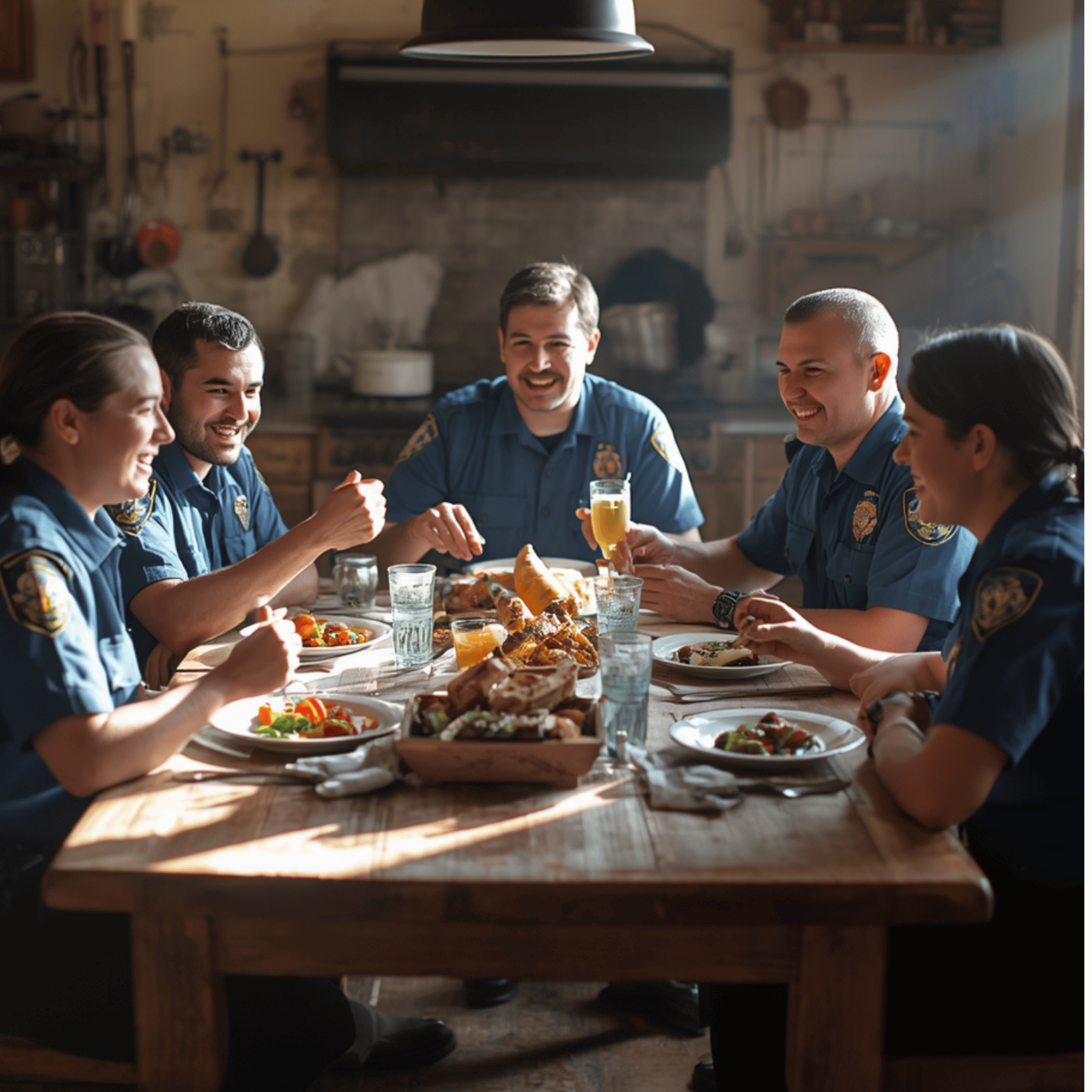
Stop saving health discussions for annual seminars or mandatory training days. Normalise conversations about sleep hygiene, nutrition, cancer prevention, and mental resilience during everyday downtime at the kitchen table. When these topics are discussed casually and supportively over coffee, the stigma surrounding them begins to evaporate.
3. Remove Operational Barriers
Do not demand healthy behaviors while maintaining an environment that makes them impossible. Examine station life objectively. Are healthy food options realistic on a limited shift budget? Is there adequate time and equipment for physical conditioning? Are cancer-prevention practices—like post-fire gross decontamination and gear cleaning—supported by the right equipment and standard operating procedures? Support your people by making the right choice the easiest choice.
Conclusion: Beyond the 25 Years
The ultimate goal of the fire service should extend far beyond getting a recruit successfully through twenty-five years of active duty. The true measure of a department's health culture is whether that firefighter gets to enjoy the twenty-five years that come after retirement, with their health, mind, and family intact.
While policies, standards, and mandatory safety protocols are vital for protecting personnel on the fireground, they cannot replace trust, empathy, and leadership. Compliance can force a form to be completed, but culture determines whether your people actually survive the job. To explore this topic further and hear a deeper breakdown of building authentic department health, Listen to the full episode and join the conversation around the kitchen table.
Frequently Asked Questions
Why do mandatory fire department wellness programs often fail?
Mandatory programs often fail because they focus entirely on external compliance—checking boxes and tracking attendance—without building the internal trust and psychological safety required for genuine behavioral change.
What is the difference between compliance and culture in firefighter health?
Compliance is external and driven by rules, policies, and mandates requiring participation. Culture is internal, reflecting the shared values, beliefs, and unforced habits of the crew when nobody is watching.
How can company officers encourage wellness without making it feel like micromanagement?
Company officers can foster organic wellness by modeling healthy habits themselves, removing logistical barriers to fitness and nutrition at the station, and integrating health conversations naturally into everyday kitchen table discussions rather than formal lectures.
How does lack of leadership trust impact firefighter mental health reporting?
When firefighters fear that admitting to mental health struggles or injuries will result in career damage, loss of assignment, or administrative scrutiny, they hide their issues, rendering compliance-based reporting systems ineffective.